Water Reuse & Recycling in 2026: Why Treated Wastewater Is the Next Water Source
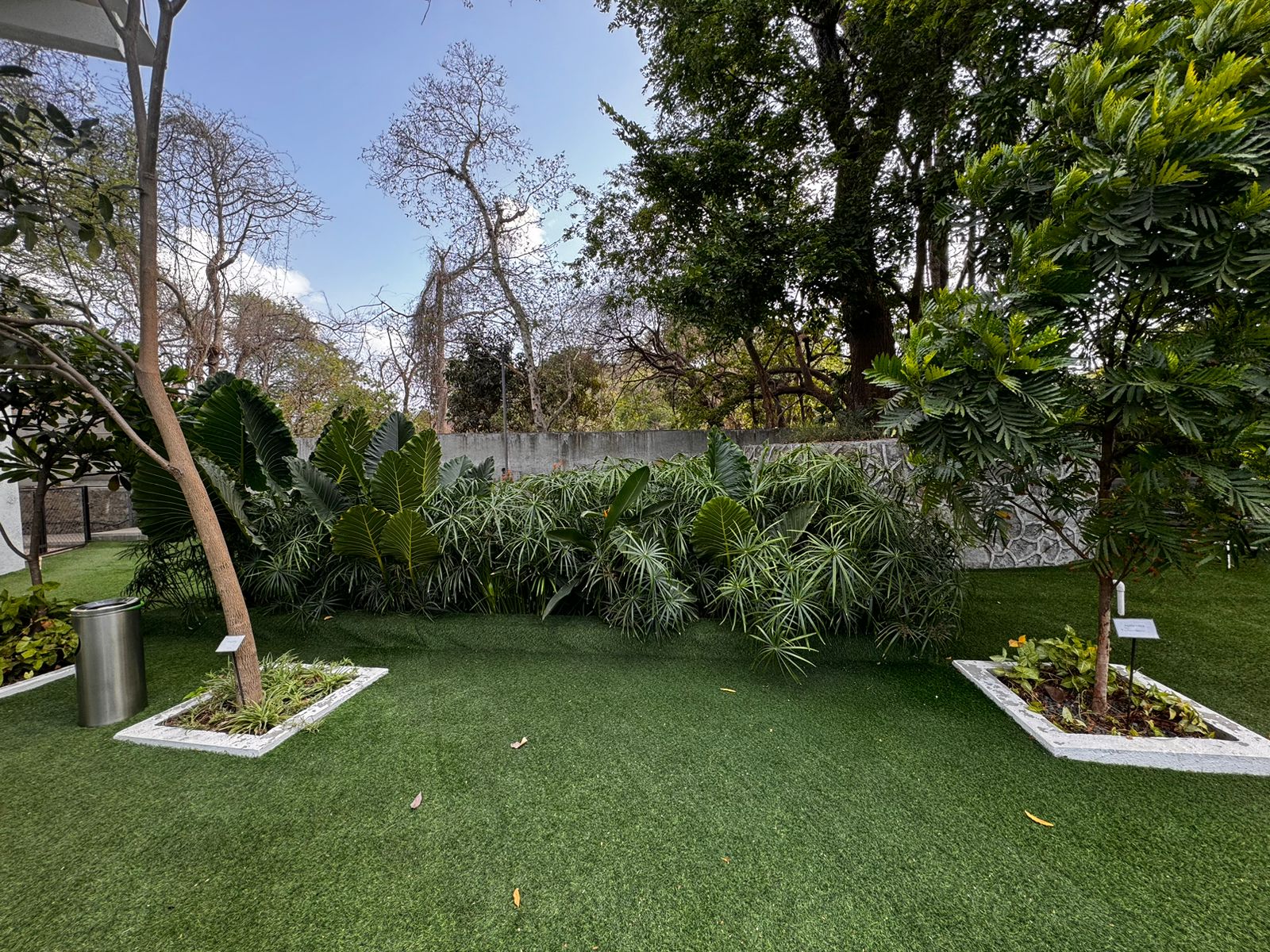
Water reuse is quickly becoming one of the most important ideas in water management worldwide. Instead of using fresh water once and sending it down the drain, water reuse means treating wastewater to the right quality and putting it back to work – in gardens, toilets, cooling towers and industrial processes. For homes, housing societies, campuses, hotels and factories, it is now one of the most practical ways to secure supply and cut costs.
In this guide, we explain why water reuse is trending in 2026, where treated water can safely be used, which technologies make it possible, and how to plan a reuse project that actually delivers savings.
Several forces are pushing water reuse from a “nice-to-have” to a baseline expectation:
Water reuse (also called water recycling) is the process of collecting wastewater – from bathrooms, kitchens, laundries or industrial processes – treating it, and using it again. There are two broad streams:
The key principle is “fit for purpose”: water only needs to be treated to the quality required for its next use. Garden irrigation does not need drinking-water quality, so there is no need to pay for that level of treatment.
Properly treated wastewater is well suited to many non-potable uses:
In a typical residential building, flushing and irrigation alone account for a large share of total water demand – exactly the water that reuse can replace.
Traditionally, wastewater was piped long distances to a central municipal plant. Decentralized treatment flips this model: water is treated on site, close to where it is generated and where it will be reused. This reduces piping, pumping energy and dependence on overloaded municipal systems.
Our Smaart Phyto platform is a nature-based sewage treatment and water reuse system. It uses phytoremediation – the natural ability of plants and their root ecosystems to break down pollutants – to treat sewage with low energy use and minimal maintenance. The treated water can go straight back into your landscape through Smaart & Green irrigation, closing the loop on site.
A reliable reuse system usually combines several stages:
Our end-to-end water infrastructure services start with exactly this kind of water study and feasibility assessment.
Yes – when it is treated to the right standard for its intended use and properly disinfected, reused water is safe for applications such as flushing, irrigation and cooling.
Not necessarily. Compact and modular systems can fit in basements, utility areas or landscaped zones, and nature-based systems can double as green space.
Payback depends on your water costs and volumes. Sites that buy tanker water or pay high municipal tariffs typically see the fastest returns.
Smaart Water has delivered 800+ installations over 12+ years, helping homes, institutions, communities and industries make the most of every drop. Talk to our team about a water study for your home, campus or facility, and find out how much water reuse could save you.

